Table of Contents
Digital payment habits continue to evolve as consumers increasingly prioritize convenience, speed, and flexibility. Among the most significant developments is the rapid adoption of eWallets, which have become a preferred payment method for millions of consumers worldwide. From online shopping to everyday transactions, digital wallets are reshaping how people interact with businesses and financial services.
For merchants, supporting eWallets is no longer simply a competitive advantage. In many markets, it has become an important component of a successful payment strategy. Consumers are more likely to complete purchases when their preferred payment methods are available, making payment flexibility a key factor in customer experience and transaction performance. Businesses that support eWallets can better align with changing consumer expectations while preparing for continued growth in digital commerce.
Why are eWallets becoming increasingly popular?
Consumer expectations have changed significantly over the past decade. Mobile devices have become central to daily life, influencing how people communicate, shop, and manage their finances.
eWallets provide a simple and convenient way to make payments without repeatedly entering card details or banking information. Transactions can often be completed in just a few clicks, creating a faster checkout experience for consumers.
The growing popularity of digital commerce has further accelerated adoption. As more consumers shift toward mobile shopping and digital services, payment methods that reduce friction and improve convenience continue to gain momentum.
How do eWallets improve the customer experience?
The checkout process plays an important role in determining whether a customer completes a purchase. Lengthy payment forms, multiple authentication steps, or unfamiliar payment options can contribute to cart abandonment.
eWallets simplify the payment journey by reducing the number of steps required to complete a transaction. Consumers can make purchases quickly while using a payment method they already trust and understand.
In addition to convenience, eWallets help create a more seamless mobile experience. Since many digital wallets are designed specifically for smartphones and tablets, they align naturally with modern consumer behavior and mobile-first purchasing patterns.
What benefits do eWallets offer businesses?
Accepting eWallets can provide several operational and commercial advantages for businesses seeking to improve payment performance.
| Business Challenge | Traditional Checkout Experience | eWallet-Enabled Experience |
| Checkout friction | Multiple payment steps | Faster payment flow |
| Mobile conversion | Complex data entry | Mobile-optimized experience |
| Customer preferences | Limited payment flexibility | Greater payment choice |
| Market expansion | Restricted payment acceptance | Access to localized payment methods |
| Customer trust | Unfamiliar payment options | Familiar payment experiences |
By offering consumers additional payment flexibility, businesses can create more inclusive checkout experiences. This is particularly important when expanding into new markets where consumer payment preferences differ from those in established regions.

Supporting eWallets can also help businesses align with broader digital payment trends and evolving customer expectations.
How can businesses integrate eWallets efficiently?
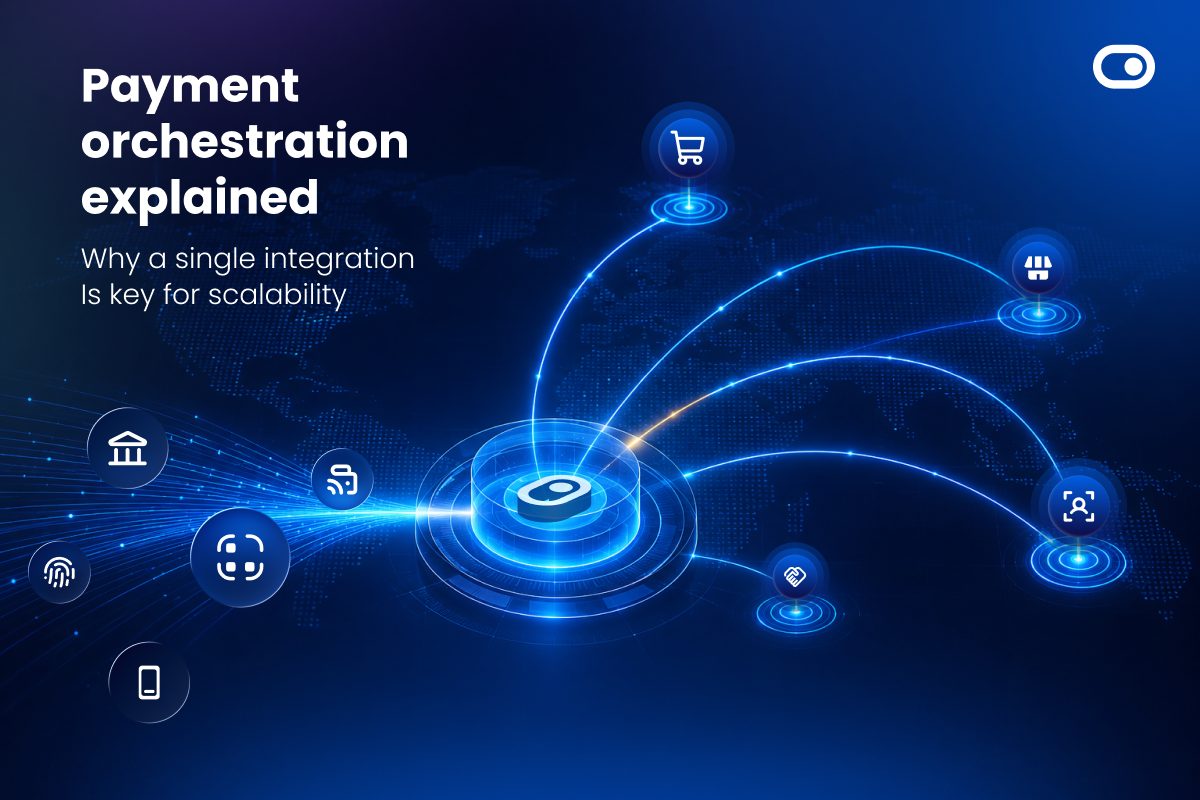
As digital commerce grows, businesses often need to support multiple payment methods across different markets. Managing separate integrations for every payment provider can increase technical complexity and operational costs.
A unified payment infrastructure simplifies this process by providing access to multiple payment ecosystems through a single integration. This enables businesses to expand payment acceptance while maintaining centralized payment management and reporting.
Zota supports businesses through a unified payment gateway technology that enables access to localized payment methods, including eWallet solutions across multiple markets. By simplifying connectivity and reducing integration complexity, businesses can focus on growth while delivering seamless payment experiences to customers worldwide.
As consumer payment preferences continue to evolve, supporting eWallets is becoming an increasingly important part of building a scalable and customer-centric payment strategy.
FAQ
What is an eWallet?
An eWallet is a digital payment solution that allows consumers to store payment information and complete transactions electronically through a mobile device, application, or online platform.
Why are eWallets important for businesses?
eWallets help businesses align with consumer payment preferences, improve checkout experiences, and support mobile-first purchasing behavior.
Do eWallets improve conversion rates?
Many businesses experience improved conversion rates when consumers can pay using familiar and convenient payment methods that reduce checkout friction.
Are eWallets popular globally?
Yes. eWallet adoption continues to grow across many regions, making digital wallets one of the most widely used alternative payment methods worldwide.
How can businesses add eWallet payments?
Businesses can utilize unified payment infrastructure that provides access to multiple eWallet solutions through a single integration, simplifying payment management and supporting scalable growth.