Table of Contents
In today’s fast-evolving digital economy, customer expectations for seamless, secure, and flexible payment options are non-negotiable. From instant bank transfers to mobile wallet transactions, businesses must efficiently manage diverse payment channels to stay competitive. Yet, many still contend with a fragmented approach consisting of a disconnected collection of tools used for bank transfers and mobile payments. This lack of integration leads to inefficiency, disrupts operations, and exposes the business to serious vulnerabilities.
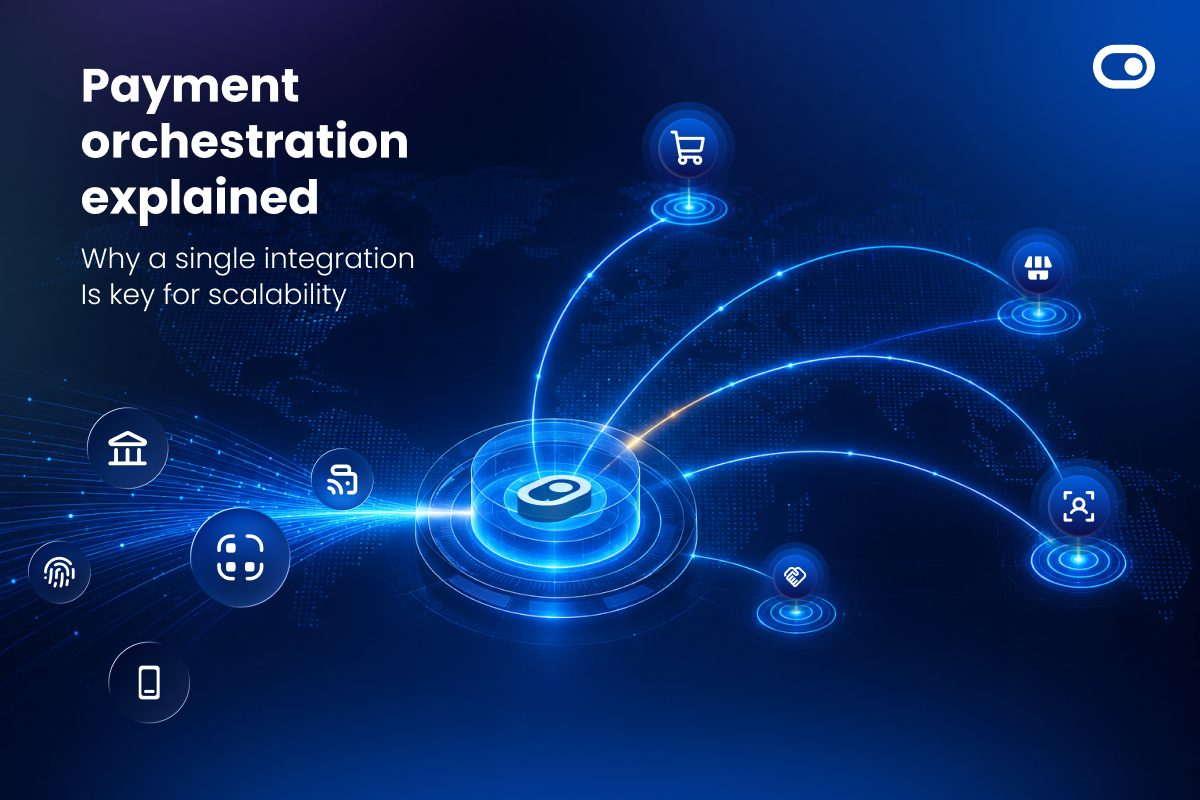
This is where a unified payment processing platform becomes essential. Rather than managing multiple systems independently, businesses can bring all payment activity—across channels, currencies, and methods—into one centralized solution. This integrated approach streamlines everything from payment acceptance and tracking to compliance, security, and reporting, ensuring both front-end and back-end efficiency.
A well-implemented unified platform doesn’t just fix operational issues. It transforms the payment process into a strategic function—improving transparency, increasing control, enhancing customer satisfaction, and enabling long-term scalability. It becomes a foundation for digital maturity, making the payment experience a reliable and value-generating part of the business.
Enhanced financial clarity, operational control, and elevated client experience
One of the most compelling reasons to adopt a unified platform is the holistic visibility it provides. Imagine no longer needing to switch between various systems to monitor different payment flows. With a unified solution, all transaction data converges into a centralized dashboard, offering a clear, real-time perspective from initiation to final settlement.
This centralized view isn’t just about convenience; it’s a powerful tool for strategic decision-making. Finance teams can effortlessly track revenue trends, identify anomalies or fraud risks, and reconcile accounts with far greater accuracy. The reduction in manual data handling minimizes human error and ensures faster, more consistent reporting.
Beyond enhanced visibility, a unified payment processing system simplifies and strengthens the entire payments infrastructure. It consolidates all transactions from separated payment methods into one cohesive system. This eliminates the need to manage multiple gateways or vendors and ensures consistent processing rules, reporting standards, and security protocols across every transaction.
A disjointed payment process is one of the quickest ways to frustrate clients. When payment options are limited, the interface feels clunky, or transactions fail unpredictably, the risk of cart abandonment increases significantly.
Unified platforms offer a consistent, intuitive experience regardless of how or where a client pays—be it online, in an app, or in person. Transactions are quick, confirmations are instant, and payment histories are easily accessible. Clients also benefit from greater control, especially in recurring billing scenarios, where they can easily manage payment details and preferences through a single, reliable system.
This consistency builds trust and convenience, two pillars of strong client loyalty. When payments become seamless and dependable, client satisfaction rises, and so does long-term retention.
Superior security and streamlined compliance
Security is non-negotiable when it comes to payments. Businesses have a duty to protect sensitive financial data while adhering to a growing list of regulatory obligations. This includes anti-money laundering (AML) requirements, global data privacy laws such as GDPR, and region-specific frameworks like PSD2 in Europe. As customer expectations around data privacy and fraud protection rise, compliance is no longer just a legal checkbox—it’s a critical trust factor.
Managing these responsibilities across multiple systems can be highly complex and introduce risk. Each platform may have different standards for encryption, authentication, and data retention. These inconsistencies can result in fragmented policies, duplicated efforts, or worse—gaps in protection that expose sensitive information to potential breaches. For compliance teams, this means more time spent auditing multiple systems and a higher chance of missing critical updates.
In contrast, a unified payment platform applies a consistent, robust set of security protocols across all channels. Features such as advanced encryption, secure authentication, and tokenization are integrated into the platform by default. These measures protect data at rest and in transit, minimizing exposure during each step of the payment lifecycle.
Many platforms also provide comprehensive audit trails, granular access controls, and automated compliance checks. These built-in tools reduce the administrative burden of demonstrating compliance and simplify reporting to regulatory bodies. Businesses can respond more quickly to audits, reduce the risk of penalties, and operate with greater confidence knowing their security framework is fully integrated and regularly updated.
This holistic approach not only strengthens protection—it also drives operational efficiency and reduces the cost of compliance management over time.
Driving cost savings and unlocking higher value
Managing several payment systems inevitably drives up costs. There are obvious expenses such as licensing fees, integration efforts, and system maintenance—but the real costs often go unnoticed. These include the added headcount required to manage multiple platforms, time lost on duplicate data entry or manual reconciliation, and revenue lost due to failed transactions or poor customer experience.
A unified platform helps reduce these costs by centralizing payment processing under one provider. This streamlining eliminates the need for managing multiple vendor relationships, minimizes integration challenges, and enables more predictable pricing. Instead of paying for several disconnected tools, businesses benefit from bundled services and consolidated invoices—resulting in direct financial savings.

Maintenance becomes more manageable as updates, support, and performance monitoring are handled centrally. When issues do arise, businesses can turn to a single point of contact, significantly reducing downtime and support complexity. This reliability allows internal teams to refocus their efforts on growth rather than troubleshooting.
The value of a unified system also extends to the data it provides. With all payment information housed in one location, businesses gain access to richer insights into client behavior, payment preferences, and revenue trends. These insights can inform marketing strategies, guide product development, and improve cash flow management. What was once raw data becomes a strategic asset—fueling smarter decisions and more personalized customer engagement.
Scaling into new markets with confidence
Expanding into new markets presents a range of challenges—from language and localization to compliance with regional banking laws and payment preferences. In many cases, businesses find themselves building custom solutions or onboarding new vendors for each market, resulting in higher costs and operational headaches.
A modern unified payment platform is designed with scalability at its core. It supports a wide variety of local payment methods, multiple currencies, tax structures, and compliance frameworks—all within a single, global infrastructure. This allows businesses to enter new regions faster without sacrificing control or creating inconsistent user experiences.
Because all transactions flow through one platform, businesses maintain centralized oversight while delivering localized experiences. Whether operating across countries or continents, they can apply uniform reporting standards, manage risk consistently, and adapt more quickly to changes in regulation or market behavior.
The result is a more efficient path to international growth, where payments enable expansion instead of hindering it. Companies can test new markets with confidence, adjust quickly based on performance, and scale revenue globally with less friction.
Future-proofing the business
Perhaps the most strategic benefit of using a unified payment processing platform is how it positions your business for the future. As technology evolves, so do client expectations and regulatory demands. A business that’s bogged down by legacy systems will struggle to adapt quickly.
Unified platforms are designed with agility in mind. They’re regularly updated to support new payment methods, integrate with emerging technologies, and stay aligned with compliance standards. That means businesses can evolve without overhauling their entire infrastructure every few years.
Moreover, the data and automation capabilities built into these platforms support smarter forecasting, more personalized client engagement, and better financial planning—critical assets in a competitive landscape.
In a digital-first economy, how a business handles payments is a direct reflection of how it serves its clients. Clunky, disjointed systems may get the job done in the short term, but they create long-term friction that slows growth and erodes trust.
A unified payment processing platform offers a smarter, more efficient alternative. It centralizes operations, improves the client experience, enhances security, reduces costs, and supports global growth—all while giving businesses the tools to adapt and thrive.
For companies eager to scale, simplify their operations, and proactively future-proof their payment infrastructure, Zota provides the comprehensive unified payment technology you need to gain a true strategic advantage in the global marketplace.
FAQ:
1. What is the primary problem businesses face in the digital economy regarding payment options?
Many businesses continue to rely on a fragmented setup of separate tools for handling bank transfers, mobile payments, and any other alternative payment methods. This lack of integration causes inefficiencies, slows down operations, and increases the risk of errors and vulnerabilities. Without a centralized system, managing payments becomes more complex and less scalable.
2. How does a unified payment processing platform enhance financial clarity for businesses?
By consolidating all transaction data into a single, centralized dashboard, businesses gain real-time visibility into every payment. This makes it easier to track revenue, identify irregularities or potential fraud, and reconcile accounts with greater accuracy and speed. Clearer insight into payment flows leads to better financial oversight and decision-making.
3. What is a key benefit of a unified payment platform in terms of customer experience?
Customers benefit from a consistent, seamless experience across all payment channels—whether they’re paying online, via mobile, or in person. Transactions are processed quickly, confirmations are instant, and payment details are easy to access and manage. This level of reliability builds trust and improves customer satisfaction.
4. How does a unified payment platform address security and compliance challenges?
Security protocols such as encryption, authentication, and tokenization are applied uniformly across all transactions, reducing vulnerabilities. In addition, built-in tools for audit tracking, access control, and automated compliance checks help businesses meet regulatory requirements more efficiently and with less manual effort.
5. In what way does a unified payment platform help businesses scale into new markets?
Expanding into new regions becomes much simpler with infrastructure that already supports multiple local payment methods, currencies, and compliance standards. This allows companies to enter markets faster, provide localized payment experiences, and avoid the need to build separate systems for each region.