Table of Contents
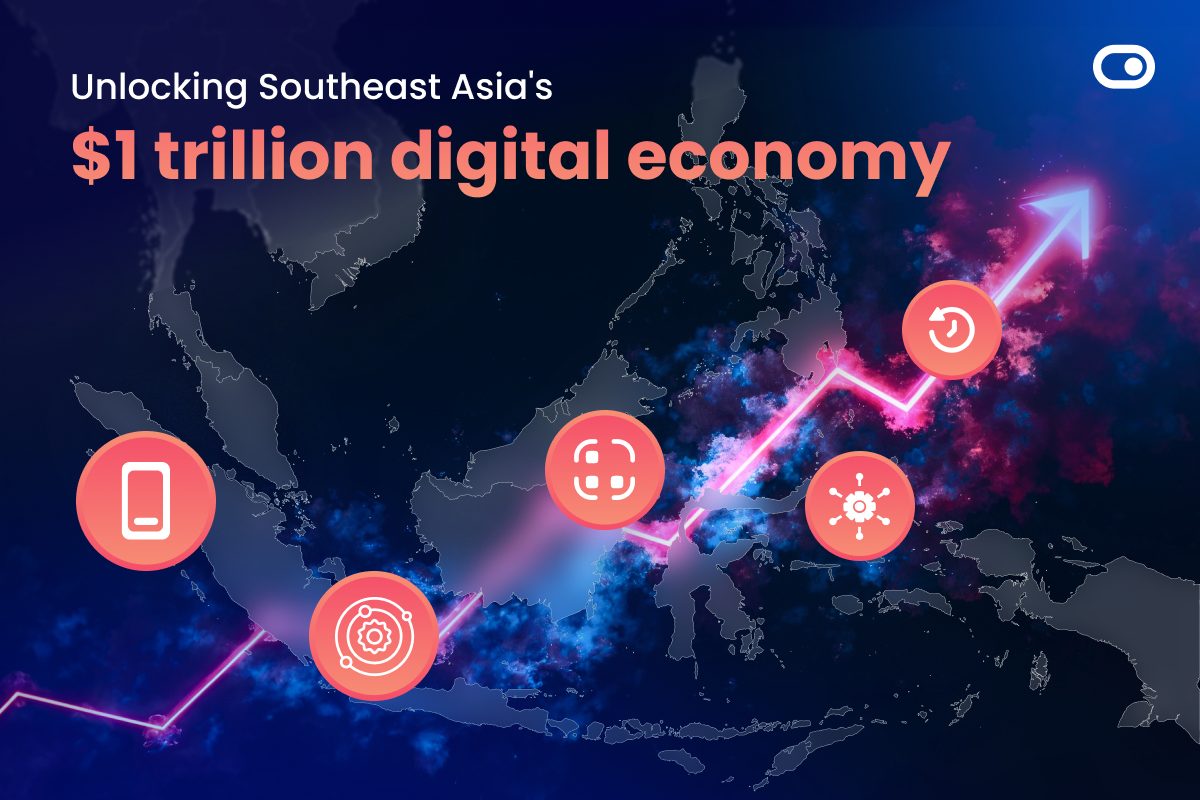
Southeast Asia’s digital economy is not just growing, it’s exploding. Projected to reach a staggering $1 trillion by 2030, the region has become a global epicenter for technological innovation and economic opportunity. Driven by a young, digitally-native population, soaring mobile penetration, and a significant unbanked and underbanked segment, Southeast Asia has leapfrogged traditional financial models, creating a unique and dynamic fintech landscape. For any global business looking to tap into this vibrant market, understanding its distinct financial ecosystem isn’t just an advantage—it’s a necessity.
This landscape is defined by its mobile-first nature, where the smartphone is the primary gateway to commerce, banking, and daily life. Unlike Western markets that evolved from cash to cards to digital, many consumers in Southeast Asia have jumped directly to mobile wallets and real-time payments. To succeed here, businesses must move beyond a one-size-fits-all approach and embrace a strategy of hyper-localization. This article explores the critical fintech trends shaping the region and provides the essential insights businesses need to know to thrive.
The meteoric rise of digital payments and QR codes
The most dominant trend across Southeast Asia is the unprecedented shift away from cash toward digital payments. This transition isn’t being led by credit cards but by a powerful combination of digital wallets and QR codes. With over 400 million internet users in the region, the smartphone has become the tool for transactions, and governments have been quick to capitalize on this.
National initiatives have created interoperable standards for QR code payments. This allows a customer using one banking app or digital wallet to pay a merchant using a different one, all through a single, universal QR code. This simplicity and accessibility have fueled mass adoption, making QR code payments a ubiquitous feature at everything from high-end retailers to street food stalls.
For businesses, this means that traditional card-based checkout systems are no longer sufficient. The key players in this space are local and regional digital wallets. Failing to offer preferred local payment methods is one of the quickest ways to see cart abandonment rates soar. This is where Zota’s advanced payment gateway technology becomes essential. Through a single, seamless API integration, Zota supports businesses to connect to this wide array of local payment solutions, enabling customers to pay with their preferred digital wallet or QR code method.
The all-encompassing power of the super app ecosystem
Nowhere else in the world is the concept of the “Super App” as dominant as it is in Southeast Asia. Platforms have evolved far beyond their original functions of ride-hailing or e-commerce. Today, they are all-in-one ecosystems that serve as the primary interface for millions of users to access a vast range of services, including food delivery, grocery shopping, messaging, and, most importantly, financial services.
These Super Apps have effectively become the new digital banks for a large portion of the population. By leveraging the enormous amount of data they gather, they offer a suite of financial products, including payments, lending, and insurance. For many users, their Super App wallet is their primary financial account.
For businesses entering the region, Super Apps represent both a challenge and an opportunity. They are powerful competitors, but they are also invaluable partners. Integrating your services or, more crucially, your payment acceptance with a Super App’s financial arm can grant you immediate access to a vast and engaged customer base. Zota’s technology facilitates this by enabling businesses to accept payments from a diverse network of local solutions.
Buy now, pay later (BNPL) fills the credit gap
While credit card penetration remains relatively low across much of Southeast Asia, the consumer appetite for credit is strong. This gap has been filled by the explosive growth of Buy Now, Pay Later (BNPL) services. BNPL allows consumers to make purchases and pay for them in interest-free installments, offering accessible, short-term credit without the stringent requirements of a traditional bank.
Platforms have become household names and are now standard checkout options on most major eCommerce platforms. The appeal is particularly strong among younger, digitally-savvy consumers who value financial flexibility.
For businesses, integrating BNPL is a powerful tool for driving growth. It has been proven to increase conversion rates and boost average order values. By partnering with the right payment technology provider, businesses can offer this popular option with minimal risk. In a region where accessible credit is a key enabler of purchasing power, providing access to BNPL solutions through a unified platform can be a competitive necessity.

Embedded finance: Seamlessly weaving finance into commerce
Building on the foundation of digital payments and Super Apps, the next wave of innovation is embedded finance. This trend refers to the integration of financial services, such as lending or insurance, directly into the user journey of non-financial companies. Instead of a customer having to go to a separate banking app, financing is offered directly on the checkout page.
This is powered by sophisticated APIs (Application Programming Interfaces) that allow different platforms to communicate securely. The goal is to make financial services invisible and contextual, appearing at the exact moment a customer needs them.
For businesses, embedded finance allows companies in any industry to create new revenue streams and increase customer loyalty. To capitalize on this trend, businesses need a flexible, API-first technology infrastructure. Zota provides exactly this, with a robust API designed to easily integrate with various financial service providers, enabling businesses to build frictionless customer experiences.
Navigating the complexities of regulation and RegTech
As the fintech sector in Southeast Asia has matured, so too has the regulatory landscape. Governments are performing a delicate balancing act, fostering innovation while ensuring consumer protection, data security, and financial stability. The result is a complex and fragmented regulatory environment, with each country having its own unique set of rules.
This fragmentation poses a significant challenge for any business operating across multiple Southeast Asian markets. This has given rise to “RegTech” (Regulatory Technology), which uses technology to help businesses navigate these complexities efficiently. This is where Zota helps with critical support. As a technology partner with deep expertise in regional compliance, Zota helps businesses navigate these challenges. We operate according to the highest industry standards for security and risk management, supporting our clients to centralize their payment operations and stay compliant in every market they serve.
Embracing hyper-localization for success with Zota
Southeast Asia’s fintech revolution offers immense opportunities, but it demands a fundamental shift in perspective. Success in this region is built on a deep understanding of local nuances and a commitment to a mobile-first, hyper-localized strategy. Zota is the technological bridge that supports businesses to execute this strategy effectively.
Through our payment gateway technology, we enable businesses to connect with the diverse payment methods popular across the region, from digital wallets to QR codes, all via a single API. By partnering with Zota, businesses can navigate these trends with a secure, compliant, and knowledgeable approach, unlocking the full potential of one of the world’s most exciting digital economies.
FAQ
1. Why are credit cards not as dominant in Southeast Asia?
Credit card penetration has historically been low due to several factors, including a large unbanked population, stringent income requirements from traditional banks, and limited access to formal credit infrastructure. This created an opportunity for mobile technology to skip cards entirely. Digital wallets and mobile banking became more accessible and easier for the mass market to adopt, establishing themselves as the primary digital payment methods.
2. What is the single most important payment method for a business to offer in SEA?
There is no single “most important” method, as preferences vary significantly by country. The key is to offer a variety of the most popular local options. However, a strategy focused on accepting payments via QR codes and integrating the leading digital wallets in your target markets is a critical starting point.
3. How do Super Apps impact a new business entering the market?
Super Apps act as both powerful gatekeepers and essential partners. They can be competitors because they dominate user attention and offer a wide range of services. However, they are also invaluable partners, as integrating with their payment systems or listing your services on their platforms can provide instant access to a massive, engaged user base that would otherwise take years to build.
4. Is buy now, pay later (BNPL) a safe payment option for businesses to offer?
Yes, when offered through established and reputable BNPL providers. These providers typically handle the entire process of credit assessment, underwriting, and collections, assuming the financial risk of consumer non-payment. For the business, it is a low-risk way to offer flexible credit, as you receive the full payment upfront from the BNPL provider, boosting sales and customer loyalty without taking on debt.
5. How can a global business manage the different regulations across multiple SEA countries?
Managing the fragmented regulatory landscape of Southeast Asia requires significant local expertise and resources. The most efficient and secure approach is to partner with a payment technology provider that has a deep understanding of regional compliance, security standards, and licensing. Such a partner can centralize the management of these complexities, ensuring your business operates in full compliance with the unique laws of each country.