Table of Contents
A rapidly changing payment landscape
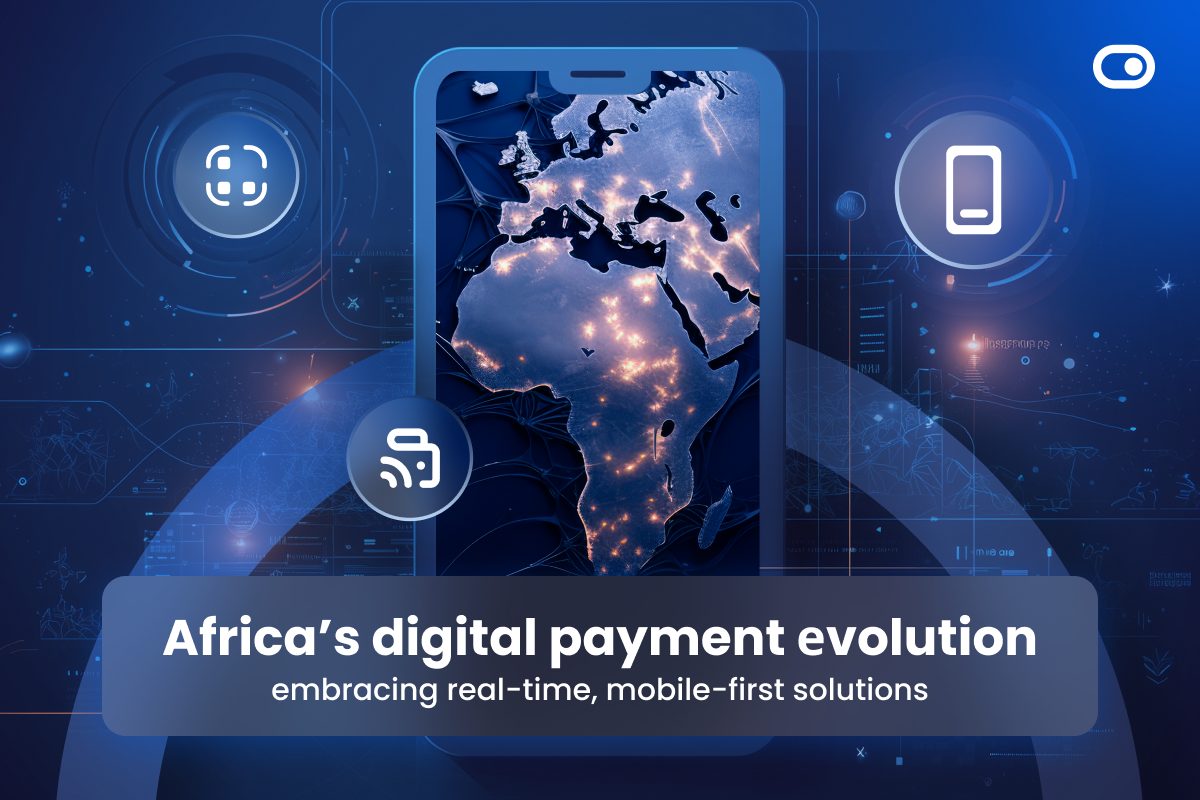
Africa’s digital payment ecosystem is undergoing a remarkable transformation. The continent’s economies are home to a wide variety of payment cultures, each shaped by unique social, economic, and technological factors. While cash remains the dominant form of payment in many regions—there is a clear and growing shift toward digital alternatives.
High rates of unbanked populations continue to challenge the reach of traditional banking services. For many Africans, opening and maintaining a bank account remains difficult due to factors like low or inconsistent income, lack of identification documents, and limited access to financial institutions. As a result, many continue to rely on informal payment systems or cash-on-delivery services.
In this context, the rise of alternative payment methods is not only inevitable—it’s essential. Retailers and service providers across the continent now offer customers a range of payment options, including mobile money, bank transfers, and contactless solutions. These innovations are helping to bridge longstanding gaps in financial access and convenience.
The rise of mobile payments
Mobile money has emerged as a cornerstone of Africa’s digital economy. It offers a simple, scalable, and secure way for consumers to make payments without needing a traditional bank account. From local street vendors to online platforms, mobile payments are widely accepted and trusted.
Mobile-first solutions are particularly powerful in rural or underserved areas, where banking infrastructure is sparse but mobile phone penetration is high. In many regions, users rely on mobile money to handle everyday transactions such as utility payments, transfers to family members, or purchasing goods from local markets. East and West Africa have taken the lead in mobile money adoption, becoming global examples of how mobile platforms can revolutionize financial access.
Real-time payments fuel the next wave
As mobile payments continue to gain traction, real-time payment systems have become the next frontier. These are digital transactions that are processed instantly, allowing users to send and receive money in seconds—any time of day, with no delays.
For a growing population of mobile-first consumers, this speed is not a luxury; it’s an expectation. Real-time payments provide the immediacy and reliability users demand, especially in a fast-moving, digitally connected world. Increasingly, countries across Africa are investing in real-time infrastructure to support this evolution, with mobile platforms often leading the way.
These systems aren’t just about convenience—they’re about building trust. Instant confirmations give consumers confidence in the system and reduce uncertainty, which is critical for first-time or hesitant digital users.
Barriers to traditional bank payments
Despite digital progress, traditional banking still faces significant challenges across the continent. Bank account ownership remains inconsistent, and online banking adoption is relatively low. For many, the hurdles to entering the formal financial system—such as documentation requirements or unpredictable income—are simply too high.
This has slowed the adoption of bank-led payment systems, reinforcing the importance of mobile money and real-time alternatives. As demand for digital services grows, so does the need for solutions that are accessible, flexible, and responsive to users’ needs.
Efforts are underway to close this gap through financial inclusion initiatives and digital innovations. Still, the path forward depends heavily on meeting people where they are—with mobile-first solutions that work across devices, regions, and income levels.
Evolving consumer expectations
African consumers—especially younger, digitally active users—are increasingly shaping the direction of the payment landscape. Their expectations are high: they want speed, security, flexibility, and ease of use. Whether shopping online, paying a bill, or sending money to a friend, they look for payment experiences that are:
- Instant and reliable
- Accessible 24/7, including weekends and holidays
- Mobile-optimized and user-friendly
- Low-cost or fee-transparent
For many consumers, especially those engaging with e-commerce platforms or subscription services, the quality of the payment experience can make or break a transaction. A seamless, real-time payment builds trust and encourages repeat business, while a delayed or confusing process can lead to cart abandonment or customer churn.
Building trust and inclusion through real-time payments
Real-time payments play a vital role in building both trust and financial inclusion. By eliminating delays and providing immediate feedback, they reduce friction and uncertainty. This is especially important for consumers who may be new to digital payments or have historically relied on cash.

Beyond the consumer level, real-time payments also help small businesses thrive. They ensure timely settlements, improve cash flow, and create opportunities for growth. For underserved communities, these systems offer a gateway to participate more fully in the digital economy—without needing to rely on traditional banks.
The importance of localization for global businesses
As Africa’s digital economy grows, so do the opportunities for global businesses. But success in these markets requires more than just a presence—it demands localization. Offering only conventional methods like credit cards or bank transfers no longer meets the needs of African consumers.
To thrive, businesses must align with local habits and preferences. That means integrating payment systems that reflect how people actually pay—mobile-first, real-time, and low-friction. Without this, companies risk losing potential customers at the final step: checkout.
How Zota supports real-time, consumer-centric payments
Zota’s payment gateway technology is designed specifically to meet the unique needs of African markets. By enabling seamless integration with mobile money and real-time systems, Zota enables global brands to:
- Accept trusted local payment methods
- Process payments instantly, reducing wait times
- Minimize cart abandonment through frictionless checkout
- Scale across African countries without complex reconfigurations
Whether entering Sierra Leone, Nigeria, Uganda or beyond, Zota helps businesses localize their payment strategies and connect with consumers in meaningful, trustworthy ways.
Looking ahead: real-time as the new standard
Africa’s payment revolution is well underway. Real-time, mobile-first payment systems are not just shaping the future—they’re defining the present. As infrastructure improves and digital adoption accelerates, consumer expectations will only become more demanding.
For businesses, adapting to these changes is no longer optional. Those that embrace real-time, localized payments now will position themselves at the forefront of one of the world’s fastest-growing digital economies. The opportunity is vast—but only for those who are ready to move at Africa’s pace.
FAQ
1. Why is mobile money so important in Africa?
Mobile money provides a practical and accessible alternative to traditional banking, especially in regions where many people are unbanked or underbanked. With high mobile phone penetration and limited access to formal financial infrastructure, mobile payments allow users to send, receive, and spend money easily—even without a bank account.
2. What are real-time payments, and why are they gaining traction in Africa?
Real-time payments are digital transactions processed and settled instantly. In Africa, they’ve become popular because they meet the needs of mobile-first consumers who expect fast, reliable, and secure payment experiences. They also help build trust, reduce transaction uncertainty, and promote financial inclusion.
3. What challenges are limiting traditional bank payments in Africa?
Common barriers include lack of documentation, irregular or low income, poor access to physical banks, and limited trust in formal institutions. These factors have slowed the adoption of bank-led payment systems, creating a need for alternative digital payment solutions that better serve local realities.
4. How are consumer expectations shaping Africa’s digital payment systems?
Today’s consumers—especially younger, tech-savvy users—demand payments that are instant, easy to use, available 24/7, and mobile-friendly. These expectations are pushing businesses and payment providers to modernize and simplify the payment process.
5. Why do global businesses need to localize their payment offerings in Africa?
Localization is essential for success in African markets. Consumers are more likely to complete a transaction when offered familiar, trusted, and mobile-first payment methods. Failing to localize payments can result in lower conversion rates and missed business opportunities.
6. What role does Zota play in supporting digital payments in Africa?
Zota provides a flexible, mobile-first payment infrastructure that enables global businesses to accept real-time, trusted payment methods across African markets. Zota helps reduce checkout friction, increase conversion, and scale efficiently by integrating with local mobile money and digital payment systems.
7. Which countries in Africa are leading in mobile and real-time payments?
8. What’s the future of digital payments in Africa?
The future points toward wider adoption of real-time, mobile-first payments as the standard. As infrastructure continues to improve and consumer behavior evolves, businesses that align with these trends will have a competitive edge in Africa’s growing digital economy.