Table of Contents
In the world of eCommerce, every second counts. A customer has navigated your site, found their desired product, and is ready to make a purchase. They’ve entered their payment details and clicked “Pay.” The transaction is processing… but what if it fails? A single hiccup in your payment system, no matter how brief, can have a ripple effect that costs more than just a single sale. For high-volume businesses operating on a global scale, the difference between a successful transaction and a failed one can be measured in milliseconds and it’s a difference that can define your brand’s reputation and bottom line.
For these businesses, a payment processing system isn’t just a convenience, it’s the heart of their operation. This is why uptime and redundancy are not simply desirable features, they are fundamental requirements for survival and sustainable growth. This blog will explore why these two concepts are paramount and how a robust, interconnected payments infrastructure can safeguard your business against the unexpected.
The uptime imperative: The cost of an unreliable checkout
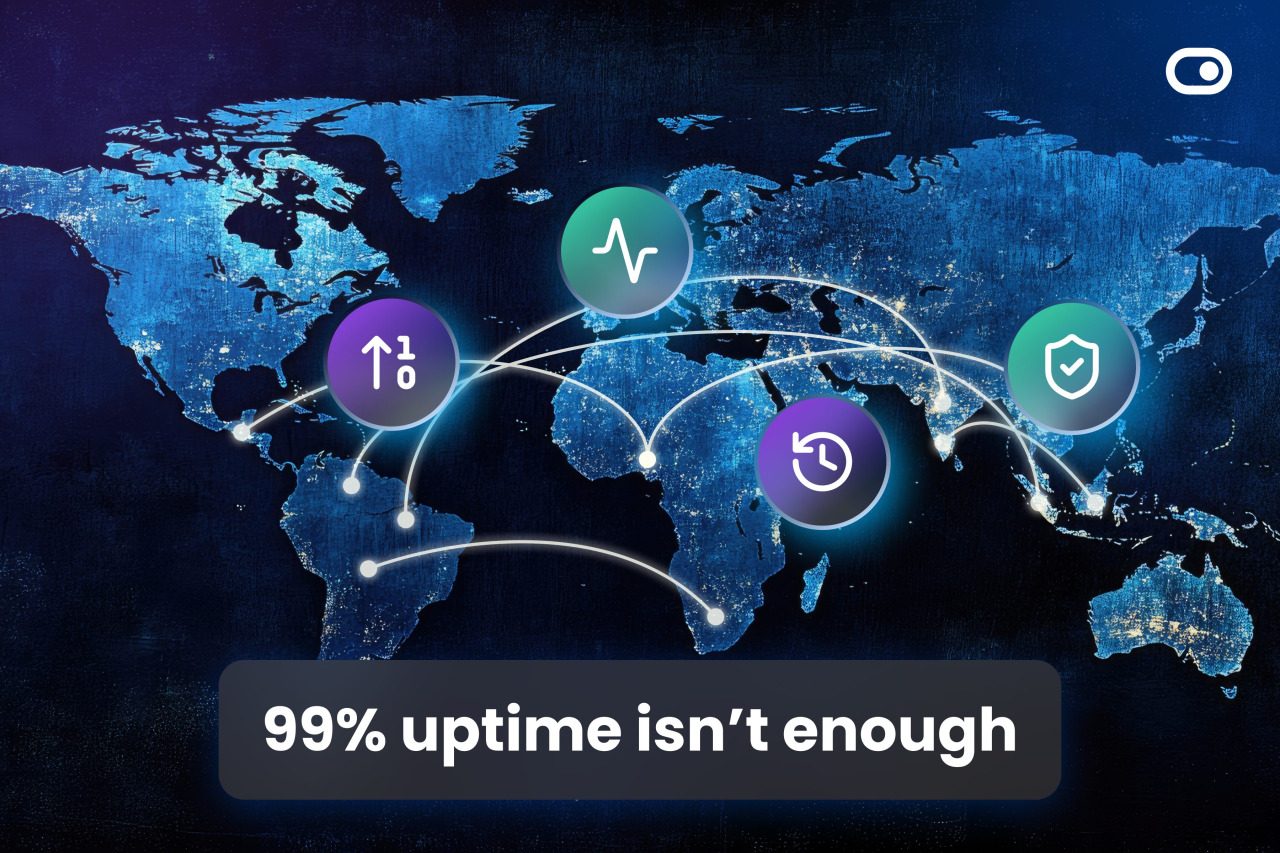
At its core, uptime is a measure of how long a system is fully operational and available to users. It’s typically expressed as a percentage, and in the world of payments, the standard is incredibly high. While a service boasting “99% uptime” might sound impressive, it translates to over 87 hours of downtime per year. For a high-volume business, that’s thousands, or even millions, of dollars in lost revenue. The gold standard is often “five nines” (99.999%), which limits downtime to just over five minutes per year.
The consequences of failing to meet this standard are severe and far-reaching:
- Direct financial losses: Every failed transaction is a direct hit to your revenue stream. In the fast-paced global marketplace, if a customer’s payment is declined on your site, they can easily go to a competitor and complete their purchase there. These are sales you may never recover. For a high-volume global merchant, a minute of downtime during a peak shopping event can equate to tens of thousands of dollars in lost sales.
- Erosion of customer trust: A seamless checkout experience is a critical part of the customer journey. When a payment fails, it erodes customer confidence and trust. They may question the security of your platform and be hesitant to return, leading to higher cart abandonment rates and a long-term decline in customer loyalty. A single bad experience can tarnish a brand’s reputation for years.
- Operational chaos: When a payment system goes down, it triggers a cascade of internal problems. Your customer support team is flooded with calls and emails from frustrated users. Your finance team faces reconciliation nightmares, and your operations team is scrambling to identify the source of the problem. This not only consumes valuable resources but also creates stress and inefficiency.
For global businesses, the challenge is compounded by different time zones and regional holidays. A payment failure in Asia at 2 a.m. EST is still a failure, and if it occurs during a major shopping event, the financial and reputational damage is magnified exponentially. This is why an unwavering commitment to uptime is the first pillar of a reliable payments strategy.
The redundancy advantage: Building a bulletproof payments system
While high uptime is the goal, redundancy is the strategic pathway to achieving it. Redundancy is the practice of having backup systems or alternative pathways in place to ensure that if one component fails, the entire system can continue to operate without interruption. It is the architectural principle that prevents a single point of failure from derailing your entire operation.
For high-volume global payments, a robust redundancy strategy is multi-layered:
Acquirer and processor redundancy relying on a single payments processor or acquiring bank is a significant risk. If that partner experiences a technical issue, a network outage, or even scheduled maintenance, your entire business is effectively shut down. A multi-acquirer strategy mitigates this risk by providing multiple “routes” for transactions. If a transaction fails with one acquirer, the system can automatically retry it with another, helping to ensure that the payment goes through. This is a critical component of maximizing approval rates and maintaining business continuity.
Global businesses require a global infrastructure to achieve geographic redundancy. Placing all your data and processing capabilities in a single location exposes you to a host of risks, from power outages and natural disasters to localized network failures. A geographically redundant infrastructure, with data centers in different regions, ensures that if one location is compromised, operations can seamlessly and automatically switch to another. This is particularly important for global businesses that serve customers in different time zones and are subject to varying regional events.
Network and system redundancy on a more technical level, redundancy extends to the core infrastructure itself. This includes redundant servers, power supplies, network connections, and data storage. A well-architected system ensures that if one server goes offline, a backup is ready to take over instantly. Similarly, having multiple network connections from different providers protects against a service provider’s outage. For a global payments gateway, this level of technical redundancy is foundational to providing the reliability that high-volume businesses demand.

The Zota solution: Your intelligent gateway technology to reliability
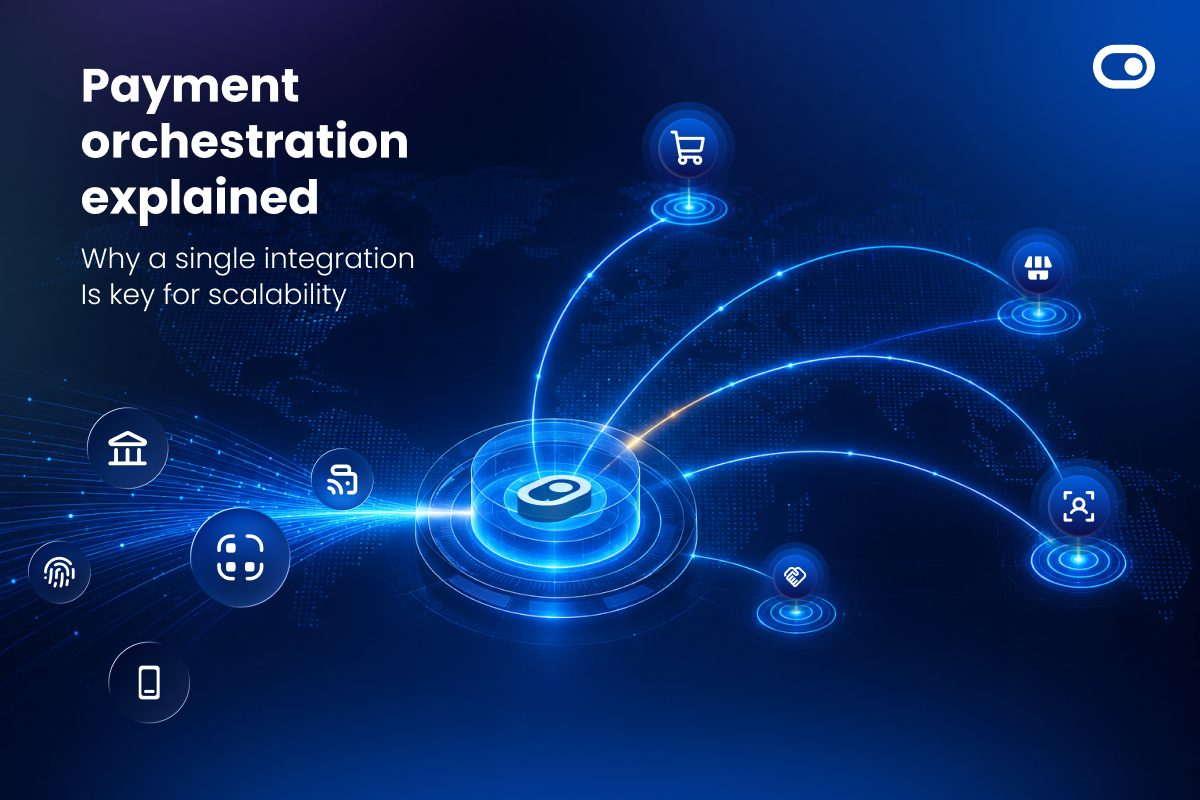
Building and managing this level of uptime and redundancy on your own is a monumental and costly undertaking. It requires a significant investment in technology, infrastructure, and a team of specialized engineers. This is where Zota comes in. Rather than a complex web of individual integrations, Zota’s technology enables businesses to access a robust and highly redundant payments ecosystem through a single, powerful gateway platform.The value of Zota’s technology lies in its intelligent, multi-layered approach to reliability. Through Zota’s platform, clients can utilize a sophisticated system that has been purpose-built to navigate the complexities of global payments.
- Smart transaction routing: Zota’s intelligent routing engine is a key component of its redundancy model. This technology evaluates a transaction in real-time and, based on a set of pre-defined rules and live data, routes it to the optimal acquiring bank or payment method. If one route is experiencing issues or has a lower approval rate, the system can automatically reroute the transaction to the next best option. This intelligent failover mechanism helps to maximize transaction success rates and protects your business from disruptions.
- A vast, redundant network of partners: Zota has established an extensive network of payment partners and acquirers across the globe. By connecting to Zota’s single API, you gain immediate access to this redundant network. This means you can tap into multiple payment solutions and acquire banks without the technical and administrative burden of managing individual relationships. If one partner goes down, your payments can automatically be processed by another, ensuring business continuity.
- A single point of stability: Zota acts as a unified hub for your entire global payment infrastructure. This not only simplifies operations but also helps to provide a single, reliable point of entry. All the complexities of uptime, redundancy, and intelligent routing are handled by Zota’s technology, allowing you to focus on growing your business, not on managing your payment infrastructure.
Invest in reliability, secure your future
In the high-stakes world of global commerce, payment processing is the last mile of the customer journey, and it must be flawless. Uptime and redundancy are not just technical buzzwords, they are strategic business investments that protect your revenue, your reputation, and your future growth. Building a system that can withstand the inevitable challenges of global technology requires foresight and a commitment to reliability.
By leveraging Zota’s technology to connect to a vast and redundant network of payment solutions, you can confidently navigate the global marketplace. This will empower you to offer your customers a seamless, reliable checkout experience, secure in the knowledge that your payments infrastructure is built to last.
Ready to future-proof your business? Find out how Zota’s technology can help you get started.
FAQ
What is the primary difference between uptime and redundancy?
Uptime is a measure of how long a system is available and operational. Redundancy is the strategy or design principle of having backup components or systems to ensure continuous operation, which is the key method for achieving high uptime. One is the goal, and the other is the means to get there.
How does Zota’s technology ensure high uptime for my business?
Zota’s platform is built to deliver high uptime through several layers of redundancy, including its intelligent routing engine that directs transactions to the best-performing acquirers, its vast network of partners to prevent single points of failure, and its geographically distributed server infrastructure.
What is “smart routing” and why is it important for my business?
Smart routing is an automated feature within Zota’s platform that dynamically routes each transaction. It’s crucial because it maximizes your approval rates and ensures business continuity by intelligently bypassing any underperforming or offline partners.
Does Zota’s multi-acquirer setup benefit my business?
Yes, significantly. By enabling access to multiple acquiring banks and payment partners, Zota’s platform allows you to avoid relying on a single provider. If one acquirer is experiencing a service interruption, your transactions can be automatically rerouted to another, helping to protect your revenue and customer experience.
How does Zota handle security and compliance with its redundant systems?
Zota’s technology and partner network are built with security and compliance as a priority. The platform enables connectivity to partners that adhere to strict industry standards and helps simplify compliance by offering a single, secure gateway for all your transactions, minimizing your own technical and regulatory burden.
If Zota’s platform is so critical, what happens if it goes down?
Zota’s own platform is built with its own internal redundancies, including geographically distributed data centers and redundant servers. This ensures that the platform itself has a very high uptime, providing a single, reliable hub for your payment operations.